
How Jobsite Debris and Final Clearing Can Speed up or Slow a Build
Construction site cleanup can have a big effect on project timelines. A clean site helps crews move faster, find tools sooner, and avoid delays from safety issues or failed checks. A messy site can slow every phase of the job, from framing to final walk-through. In Temple Hills, MD, builders and property owners often see lost time when waste piles up, walkways stay blocked, or trash removal falls behind the work schedule.
Quick Diagnosis Summary
If a project keeps falling behind, poor construction site cleanup may be part of the problem. Debris can block access, create safety risks, and make each task take longer. It can also lead to damaged materials, missed inspections, and repeat work. Cleanup is not just about appearance. It supports steady progress from one crew to the next.
Common Symptoms
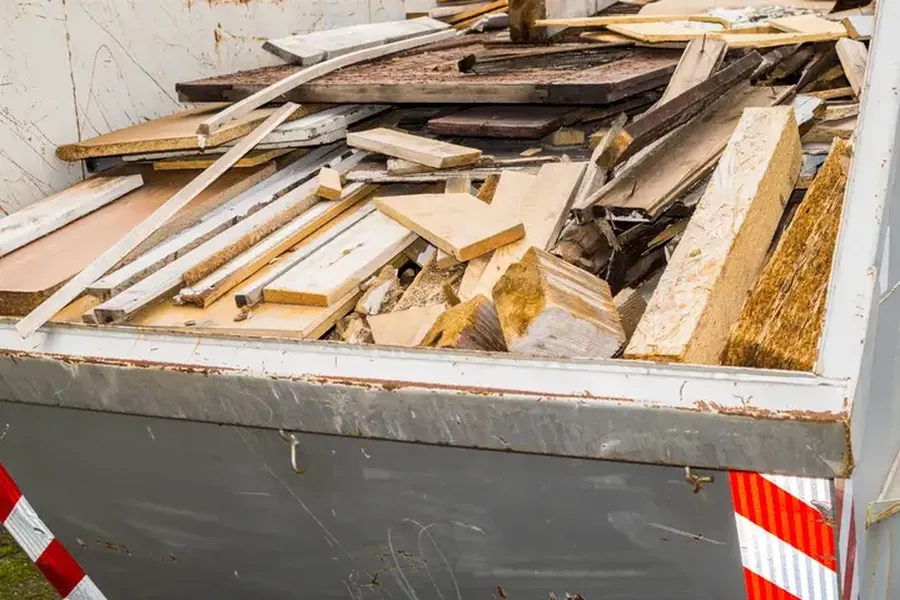
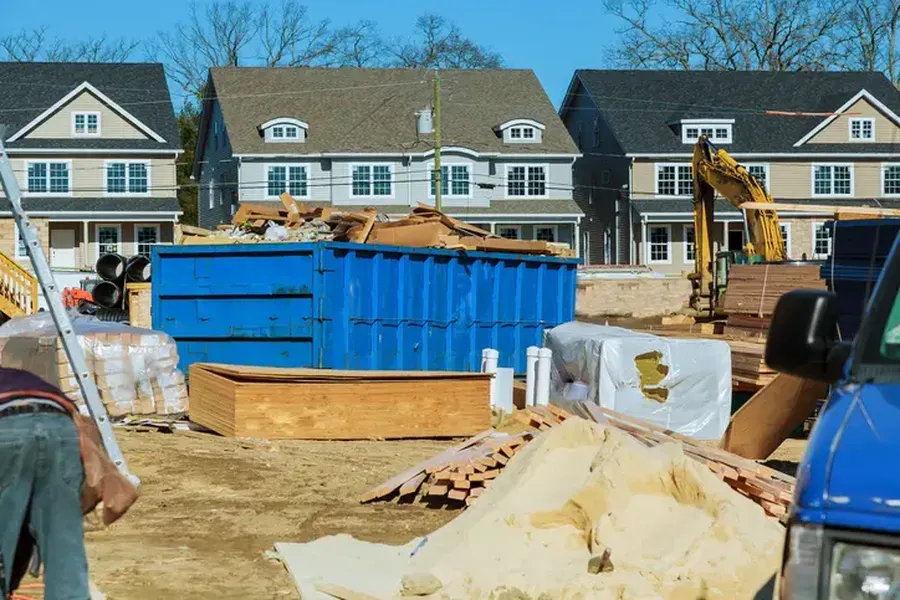
Timeline trouble tied to cleanup often shows up in simple ways. Workers may stop to move scrap before they can start. Delivery teams may have trouble unloading. Inspectors may struggle to reach key areas. Small delays add up fast over days and weeks. On busy projects, one missed cleanup can affect several trades in a row.
Some common signs include:
- trash and scrap left in active work zones
- blocked paths for workers, carts, or lifts
- materials damaged by dust, nails, or wet waste
- tools taking longer to find or store
- slower handoff between one crew and the next
- inspection areas not ready on time
Likely Causes
Many cleanup delays start with poor planning. Some jobs do not have a clear waste removal schedule. Others lack enough dumpsters, bins, or labor for daily pickup. In some cases, crews assume another team will handle the mess. That leaves debris in place until it becomes a larger problem.
Weather can make things worse. Rain can turn loose waste into a muddy obstacle. Wind can scatter packing and light materials across the site. Dry dust can settle over new finishes and systems. If the service category keyword is part of a larger site support plan, it should be treated as a daily task, not an afterthought at the end.
What to Check First
When cleanup seems to be holding up the schedule, start with the basics. Check where waste is building up and how often it is removed. Look at travel paths, material storage zones, and places where crews overlap. A short site review can show where time is getting lost.
- walk the full site and note blocked or unsafe areas
- check if dumpsters or bins are full too early
- see whether each crew has a cleanup duty
- review the schedule for debris pickup and hauling
- inspect areas waiting for the next trade or inspection
- look for materials at risk of damage from dust or trash
This kind of check helps connect the mess to the missed time. It also shows whether the issue is daily housekeeping or a larger removal problem.
Safe Fixes Vs Pro-Level Fixes
Some cleanup problems can be fixed quickly by the site team. Daily sweeping, sorting scrap, clearing paths, and emptying small bins can help right away. Labeling disposal areas also cuts confusion. These are safe, simple steps when the debris is light and the hazards are low.
Other situations call for professional help. Large material piles, sharp debris, heavy dust, post-trade waste, and final-phase cleaning often need a trained crew. The same is true when cleanup has to match inspection timing, occupancy goals, or handover deadlines. A professional team can work with the build schedule and remove waste without slowing other crews.
That support can help with:
- bulk debris removal
- dust control before finishing work
- detailed cleaning before inspections
- safer disposal of mixed site waste
- faster prep for owner punch lists
Prevention Tips
The best way to avoid cleanup-related delays is to build cleanup into the schedule from day one. Do not wait until the site looks bad. Set clear rules for each trade. Give crews a place for scrap, packaging, and reusable materials. Check those areas often.
Good prevention habits are simple:
- assign cleanup duties at the end of every shift
- schedule regular hauling before bins overflow
- keep access paths open at all times
- separate waste, tools, and new materials
- plan extra cleanup before inspections and turnover
- adjust for rain, wind, and high-traffic days
These steps help protect the schedule. They also support safer work and better results. A site that stays organized is easier to manage, and crews can focus on the build instead of the mess around it.
Final Recommendation
When construction site cleanup is handled well, jobs tend to move with fewer stops and fewer setbacks. If delays keep showing up, cleanup should be reviewed just like labor, materials, and equipment. In Temple Hills, MD, local conditions can add extra pressure to the schedule. At All In One Box Transportation and Cleaning Services, we help teams keep sites clear, safe, and ready for the next phase. Call us at (240) 384-6369 if you want help keeping your project on track.